Showing posts with label Unit 4. Show all posts

Tuesday, 28 January 2014

Materials

I have used the following materials:

E6 Film and Developing

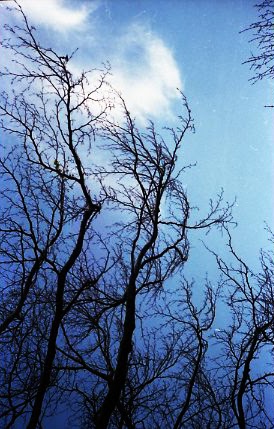
E6 is a colour positive film, which comes out blue. I've used this film because the photographs turn out really bold and contrasty, and have a feel to them different to digital photographs.


C41 Film and Developing

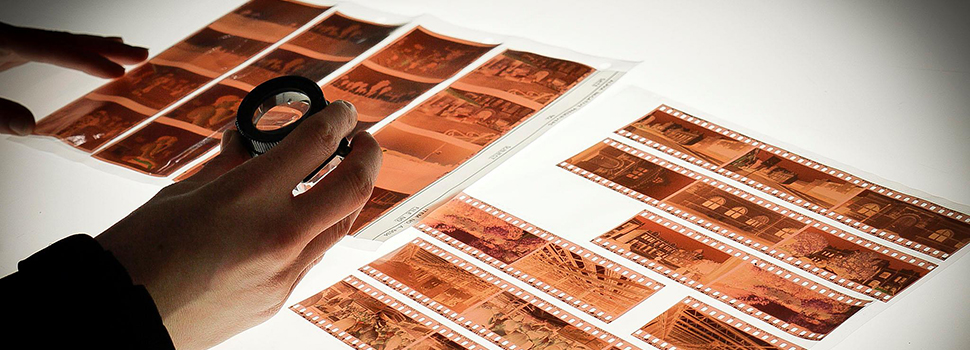
C41 is a colour negative film, which comes out brown. I've used this film purely experimentally, because I thought the natural brownness would fit well with the theme of landscapes, especially when photographing trees.


Canon 1100D DSLR

A DSLR is a camera with changeable lenses, often of a higher quality than a compact camera, or one on a mobile phone. I've used my Canon digital single lens reflex camera for most of my work, because it's the easiest and quickest way of producing and reproducing photographs.


Minolta Film Camera

My Minolta film camera is a fully automatic camera with a built in lens with around 10mm focal length. I've used this to experiment with different films and materials to create a wider range of work.

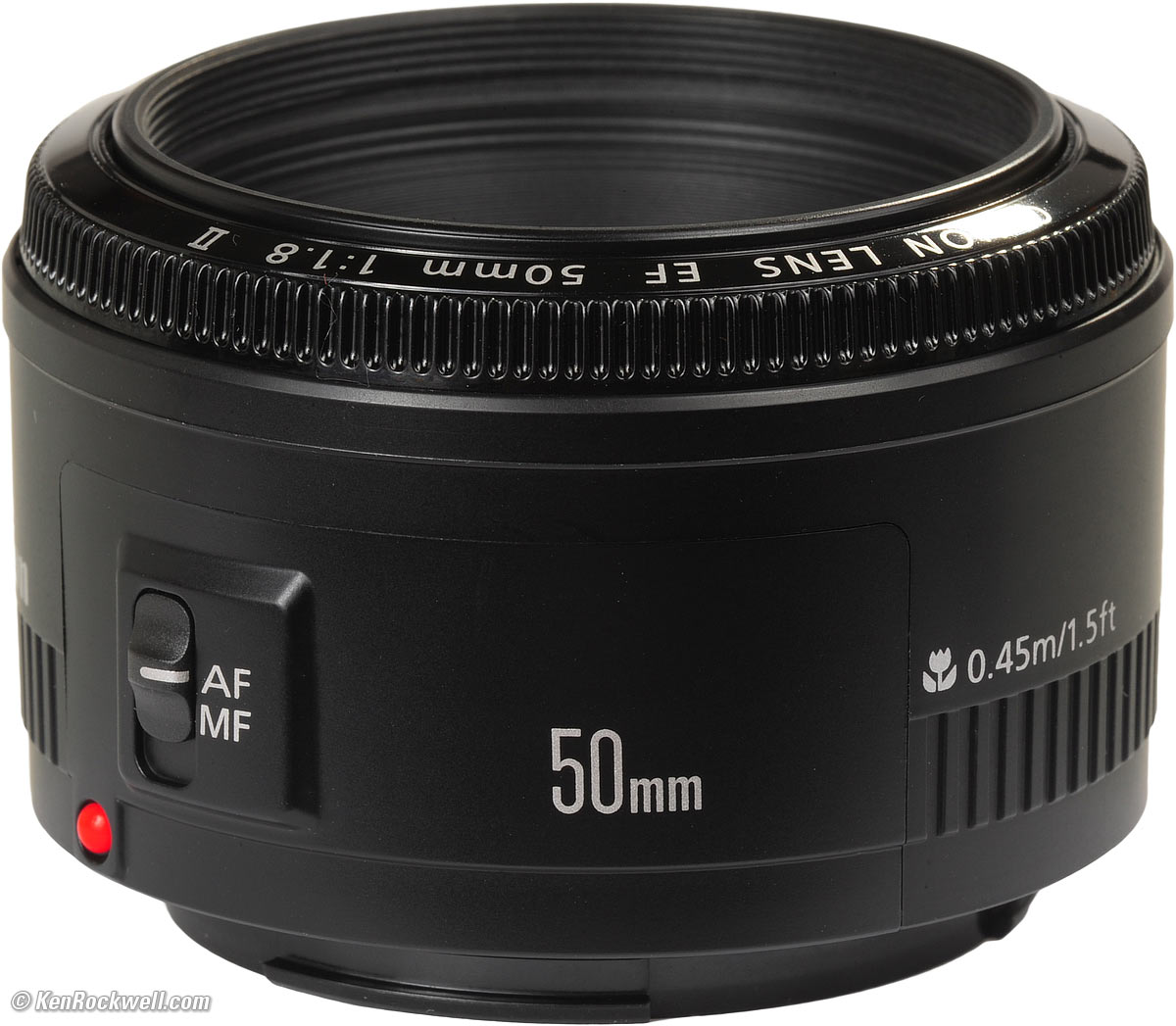
50mm Lens

My 50mm lens has a maximum 1.8 aperture, which is good for photographing shallow depths of field, which can be seen a lot in my photographs. This is good to use because I can use lower ISOs, making less grainy and higher quality photographs.


18-55mm Lens

My 18-55mm lens has a maximum aperture of 5.6, meaning higher ISOs need to be used to produce correctly exposed photographs. Although it has the downfall of aperture, having an adjustable focal length allows me to create both wide angle and close up photographs, which is useful for producing a wider body of work.


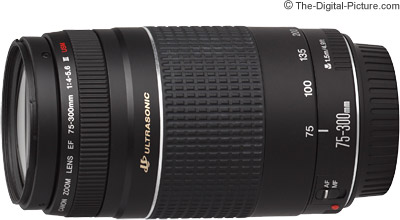
75-300mm Lens

My 75-300mm lens also has a maximum aperture of 5.6, meaning higher ISOs need to be used to produce correctly exposed photographs. Using this lens makes it difficult to photograph close up, because it's so zoomed in, you need to be stood quite far away to be able to focus.


Units

Unit 1
The unit will develop the learner's knowledge, skills and understanding necessary for the confident application of visual language in a range of art and design activities.

Learning Outcomes
1 - Understand the characteristics of visual language in art and design
2 - Be able to apply visual language to a range of art and design activities

Assessment Criteria
1.1 - Critically compare, through experimental application, the characteristics of a wide range of visual language elements.
2.1 - Apply visual language, across a range of contexts, to influence appearance and meaning in art and design
2.2 Critically compare the use of visual language, across a range of contexts, to influence appearance and meaning in art and design.

Unit 2
This unit will provide the learner with an introduction to a range of research activities and related skills appropriate to the support of art and design. The unit will also develop and understanding of the vital role that research plays in informing and developing ideas.

Learning Outcomes
1 - Understand research tools, methods and skills
2 - Understand primary and secondary research sources
3 - Be able to use research tools, methods and skills to inform ideas for creative activities

Assessment Criteria
1.1 - Critically compare a range of research tools, methods and skills
2.1 - Critically compare a range of primary and secondary research sources
3.1 - Apply research tools, methods and skills to record and interpret information and develop ideas for creative activities
3.2 - Evaluate the effectiveness of research tools, methods and skills to develop ideas for creative activities

Unit 3
This unit will provide the learner with an awareness of the critical p perspectives and contextual frameworks that support practical activity in art and design.

Learning Outcomes
1 - Understand critical perspectives that influence the analysis of art and design activity
2 - Understand the contexts within which art and design is positioned

Assessment Criteria
1.1 - Critically compare a range of critical perspectives that influence the analysis of art and design
1.2 - Apply knowledge of critical perspectives to the analysis of a range of art and design activities
1.3 Apply knowledge and understanding of a range of critical perspectives to support own art and design practice
2.1 - Critically compare a range of contexts within which art and design is positioned
2.2 Apply an understanding of a range of contextual parameters to support own creative development

Unit 4
This unit will provide the learner with an introduction to a range of materials and processes used in art and design, their particular characteristics, and the related technical skills necessary to record experiences and articulate ideas.

Learning Outcomes
1 - Understand materials, processes and technical skills used in art and design

Assessment Criteria
1.1 - Critically compare a range of materials and processes used in art and design through experimental application
1.2 - Apply understanding of materials and processes to support own art and design activities
1.3 - Apply understanding of technical skills to support own art and design activities
1.4 - Evaluate the use of materials, processes and technical skills to own support art and design activities

Unit 5
This unit will develop the learner's ability to critically analyse and integrate research, contextual understanding, materials, methods and skills to solve 2 dimensional problems in art and design.

Learning Outcomes
1 - Be able to analyse and research a 2 dimensional problem in art and design
2 - Be able to use an integrated approach to 2 diminutional problem solving in art and design
3 - Be able to use evaluation to support solutions to problems in 2 dimensions in art and design

Assessment Criteria
1.1 - Analyse the requirements and parameters of a 2 dimensional problem in art and design
1.2 - Apply research activities to support solutions to a 2 dimensional problem in art and design
2.1 - Demonstrate the ability to plan, organise and prepare solutions to a 2 dimensional problem in art and design
2.2 - Apply practical skills, understanding and methods to solve 2 diminutional problems in art and design
3.1 - Analyse the effectiveness of solutions to 2 dimensional problems in art and design 

Wednesday, 15 January 2014

Corporation Park - E6 Film


These photograph were taken on an automatic film camera with a lens with a focal length around 10mm. I used E6 film with 100 ISO, making the pictures appear less grainy. I developed the film normally, then scanned the negatives in and changed them to black and white in Photoshop, also altering the contrast. 
I like how the photographs have turned out, they really fit in with my landscape theme. The  composition and tonal range are the two aesthetic points I like the most, I will definitely take the, in to consideration when shooting in the future, focusing on the lines and curves within the frames.
If I reshot the photographs, I would probably do it in different weather conditions, the skies look quite clear, making the photographs have a lot of white in them.


Jack Keys Photographs - C41 Film

These photograph were taken on an automatic film camera with a lens with a focal length around 10mm. I used C41film with 100 ISO, making the pictures appear less grainy. I developed the film normally, then scanned the negatives in and changed them to black and white in Photoshop, also altering the contrast. 
I like how the photographs have turned out, they really fit in with my landscape theme. The  composition and tonal range are the two aesthetic points I like the most, I will definitely take the, in to consideration when shooting in the future, focusing on the lines and curves within the frames.
If I reshot the photographs, I would probably do it in different weather conditions, the skies look quite clear, making the photographs have a lot of white in them.